Hardwood Floor Installation
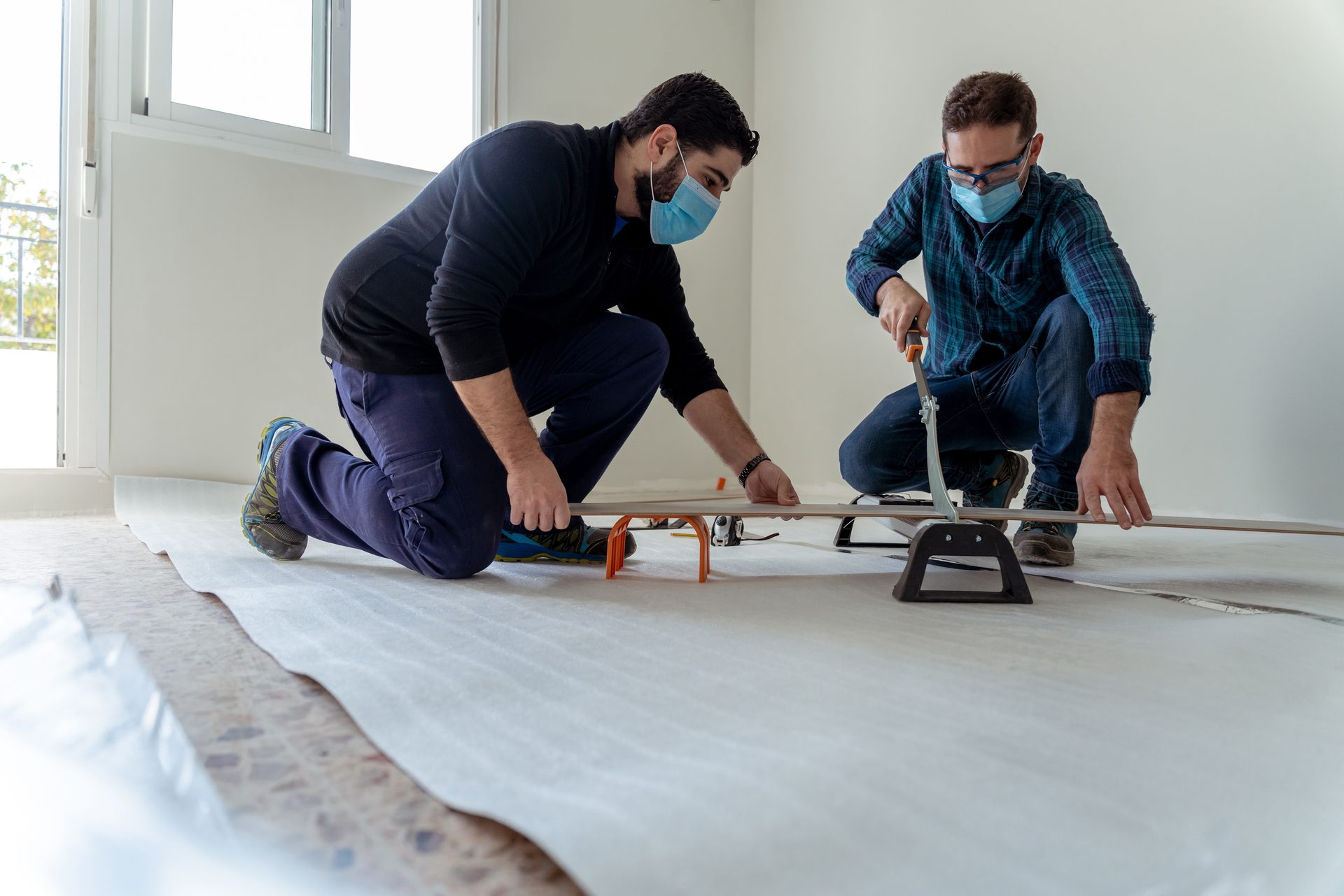
Solid hardwood, installed: prefinished $7–$11 a square foot, site-finished $10–$16, wide-plank and premium species $12–$22. A typical 500-square-foot main floor in prefinished oak runs about $3,500–$5,500 around Fargo; published typical project totals run $2,469–$7,034 for the rooms most people do at once. Prefinished goes down fastest because the finish is already on it. Site-finished costs more and takes longer — the wood is sanded, stained, and finished in your home — and it is the only way to match an existing floor exactly or pick a color that does not come in a box.
Engineered Hardwood
A real hardwood wear layer over a stable plywood core: $7–$13 a square foot installed for standard engineered, $12–$20 for premium wide-plank. A 500-square-foot floor runs about $3,500–$6,500. Engineered is the right call over concrete slabs — which is most newer valley construction — and anywhere radiant heat runs under the floor, because the core moves far less than solid wood. A thick wear layer can be refinished once or twice down the road; a thin one cannot, and we will tell you which one you are looking at before you buy it.
Refinishing & Sanding
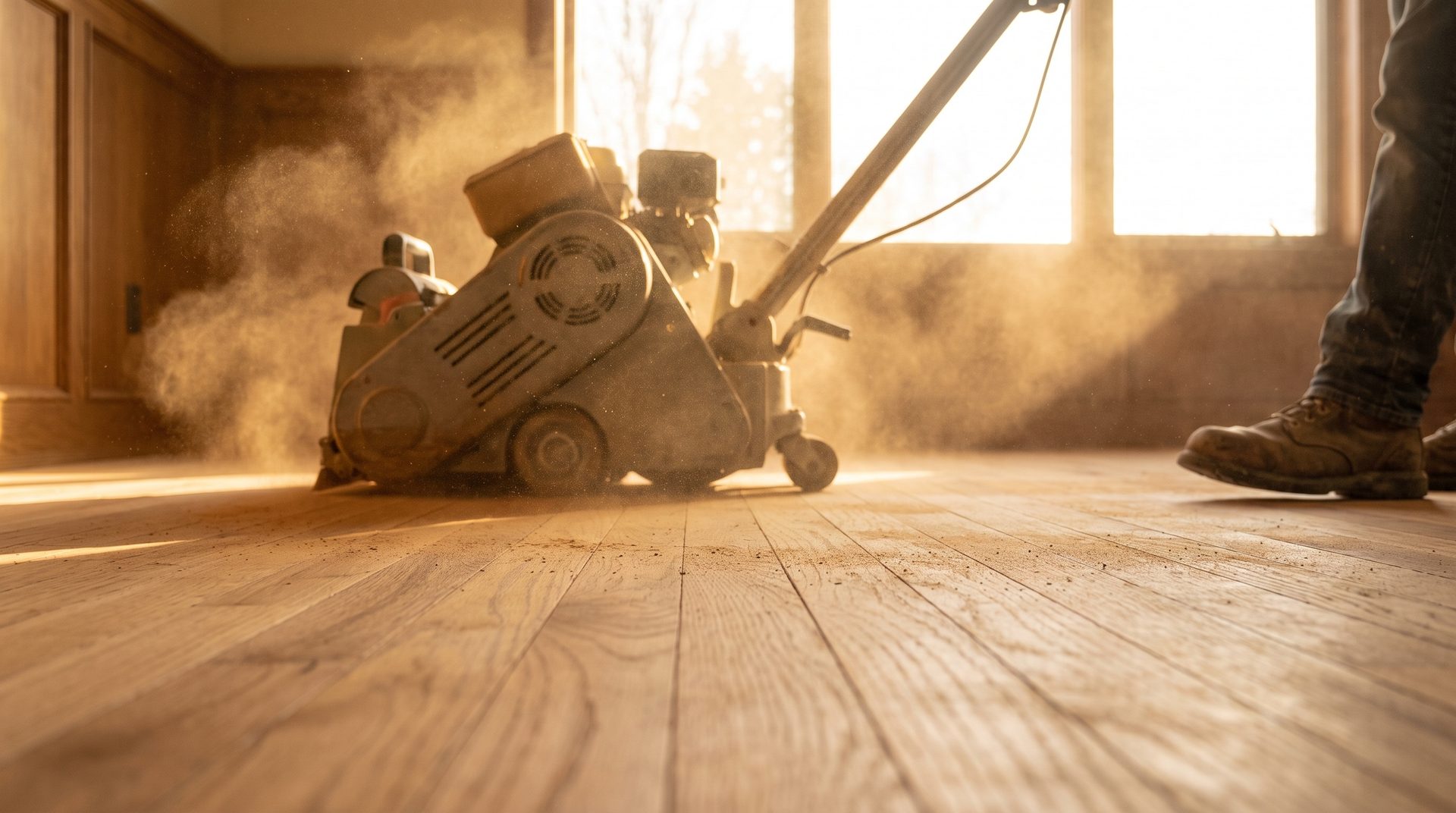
Three honest levels: a screen & recoat runs $2–$5 a square foot when the finish is dull but the wood under it is sound; a full sand, stain & finish runs $3–$8, back to bare wood; dustless sanding with premium finish runs $5–$8. A typical 400-square-foot refinish runs about $1,200–$3,200 around Fargo. Refinishing only works when there is wood left to sand — most solid floors can be sanded several times in their life, and the measure visit includes checking the wear layer at a floor vent so nobody sells you a sanding your floor cannot take.
Hardwood Floor Repair
Board replacement and lace-in repairs run $7–$20 a square foot of repaired area, with a minimum charge around $350 to bring a crew and a sander out — on small repairs the minimum, not the square feet, is most of the price, which is how published repair pricing behaves everywhere. Dishwasher leaks, pet damage, and the dark ring where a plant sat for five years are the usual Fargo calls. The repair is laced into the existing floor board by board, then the area is sanded and finished to blend — a good repair disappears.
Stair Treads & Risers
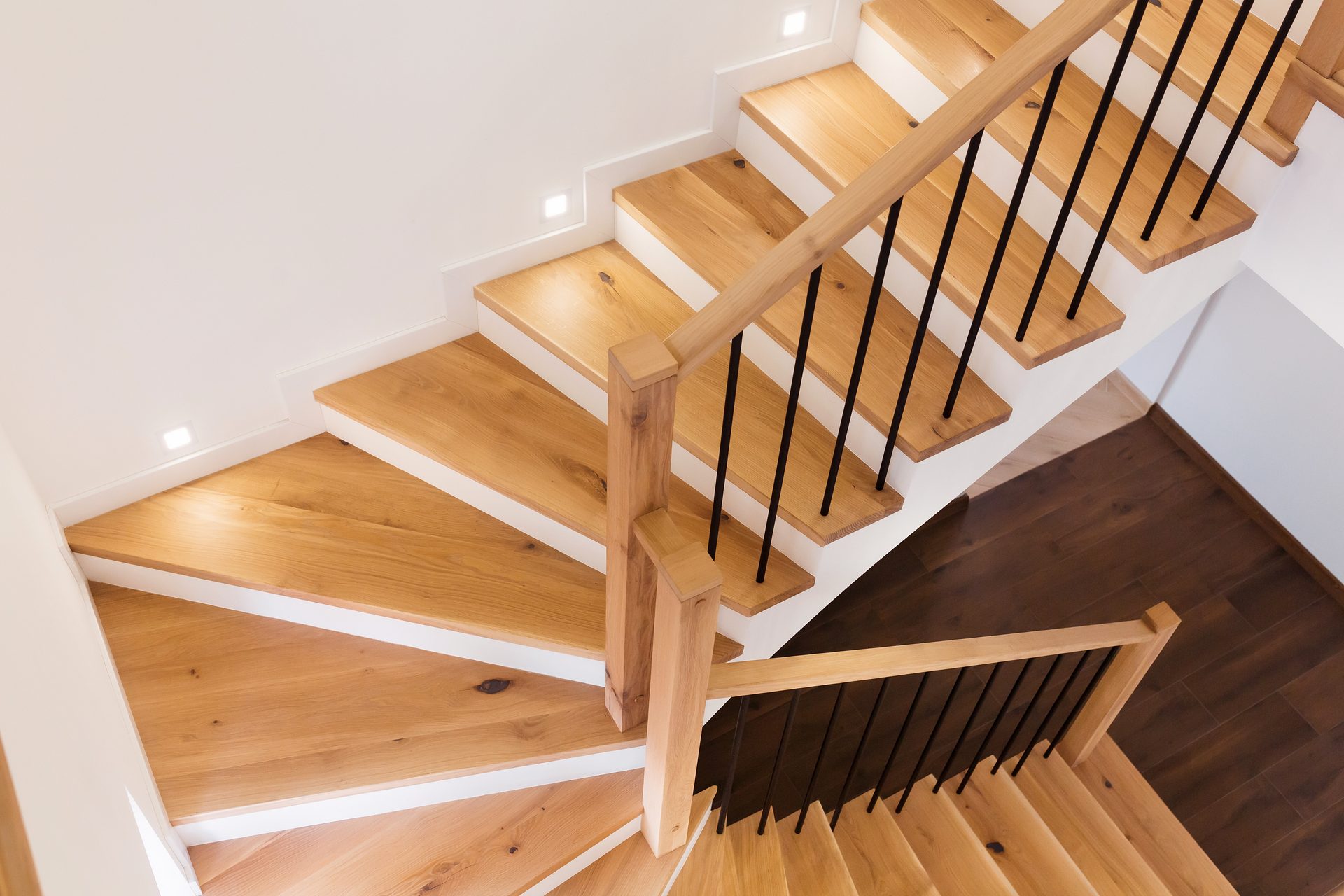
Refinishing a stair runs $25–$85 a step depending on how much of the stair is in the job — treads alone at the low end, treads, risers, stringers, and rails toward the top. A typical 12-step stair with treads and risers figures about $390–$1,325. Stairs are hand work: every tread is sanded, edged, and finished individually, which is why they price by the step and not the square foot. Replacement treads for carpeted builder stairs are priced at the measure visit by species and count.
What Moves the Price
- The wood itself — species, grade, and plank width are most of the materials bill. Plain prefinished oak is the value end; wide planks and premium species cost more per foot before anyone lifts a tool.
- What comes out first — carpet is quick; glued-down old hardwood, tile, or a floor that has to be leveled adds real work. Removal and disposal figures about 15% over the base install.
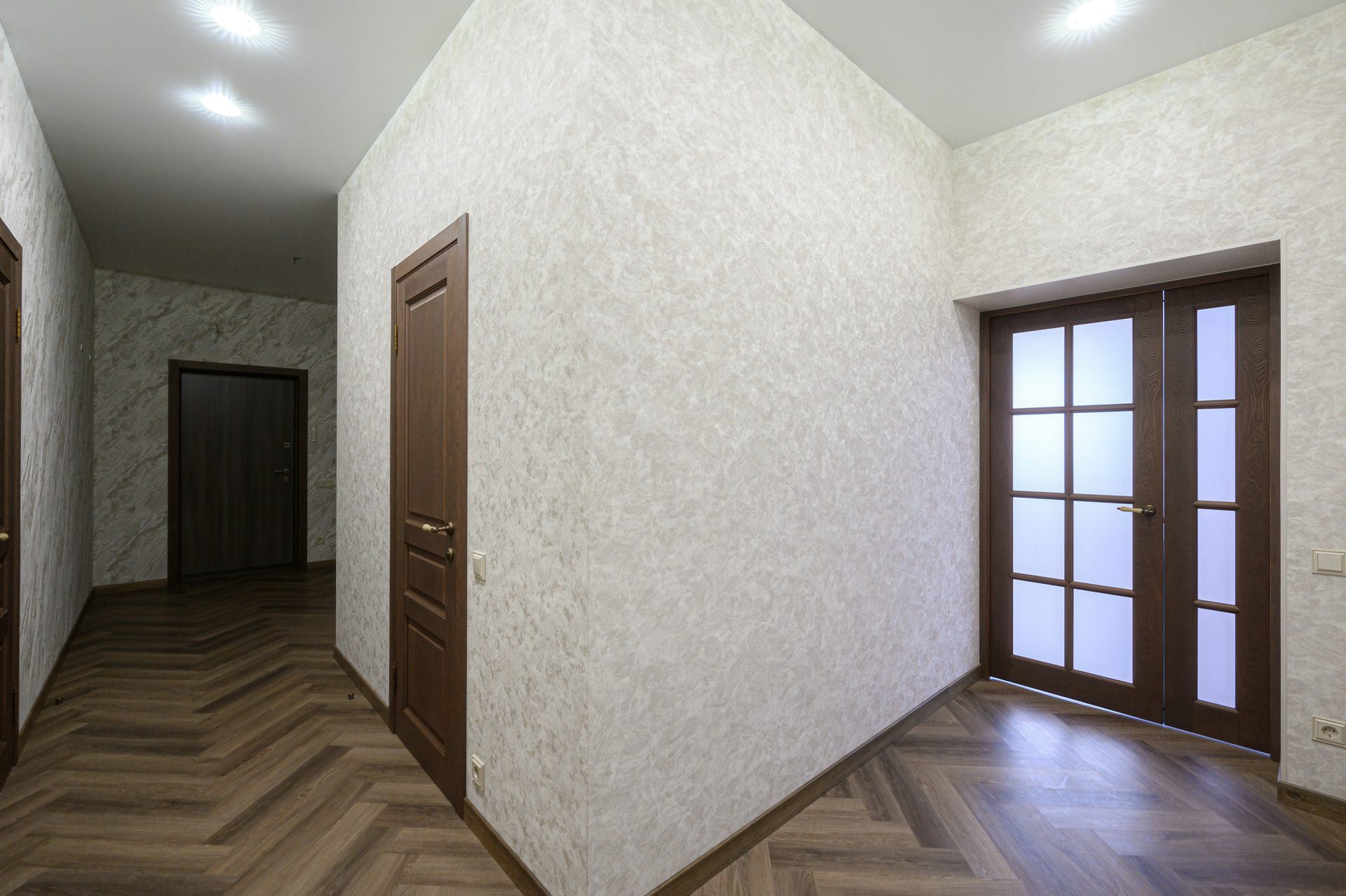
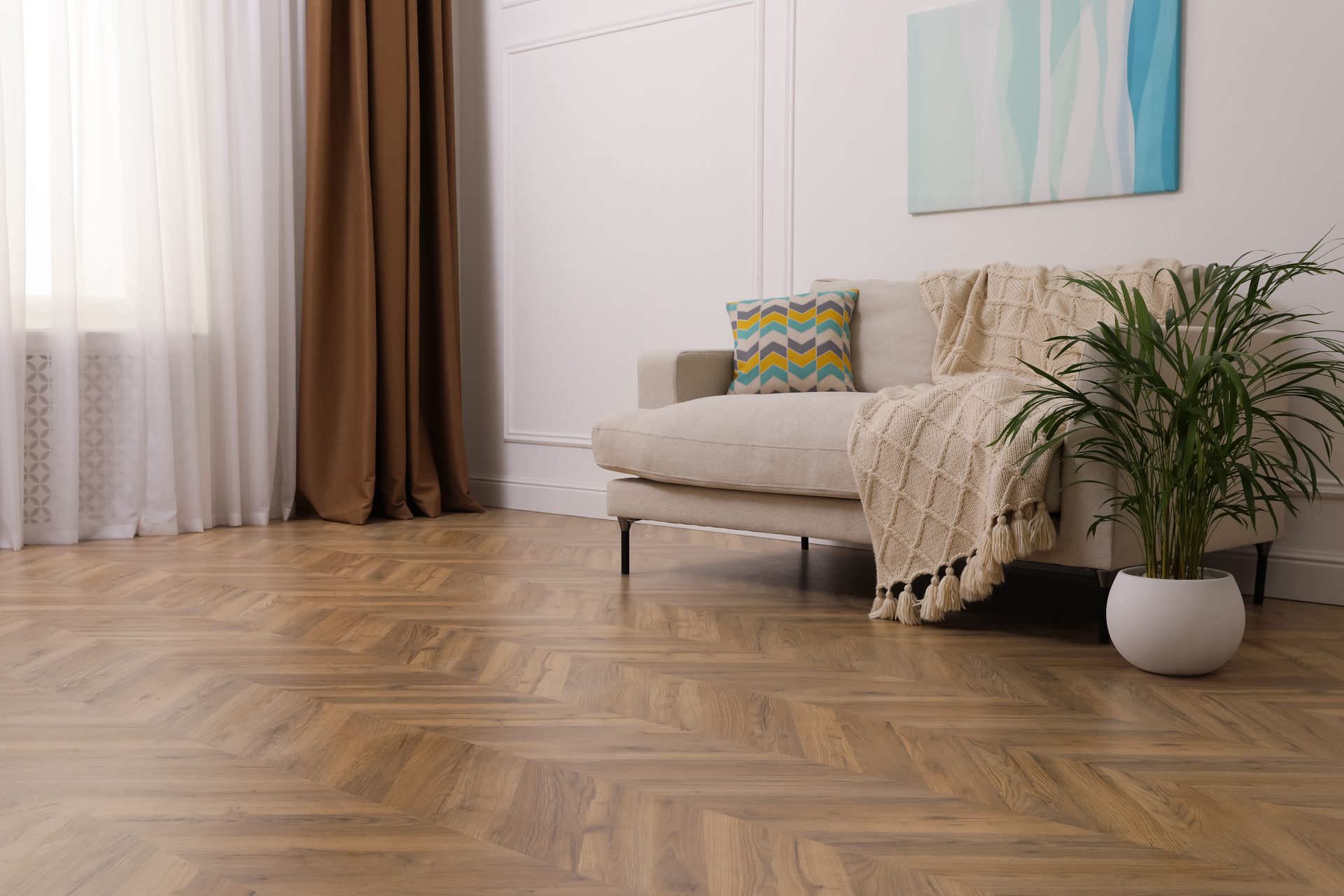
- The layout — a straight lay is the base price. Herringbone, chevron, and border work mean more cuts and more time: figure about 25% over.
- The subfloor underneath — a floor is only as good as what's under it. Soft spots, squeaks, and moisture problems get fixed before new wood goes down, not after it starts moving. Subfloor repairs typically run $900–$3,000 when a section has to come up.
- Slab, heat, and dry winters — solid wood over a heated slab is a bad bet; engineered is built for radiant systems and concrete. The other game up here is winter dryness: heated indoor air pulls moisture out of solid wood, and the measure visit includes moisture readings and an honest talk about humidification either way.
- Furniture and rooms — a clear room is a fast room. Most people do the main living areas at once because the per-foot price gets better and the house is disrupted once, not three times.
Ranges are the published numbers we bid from: Angi's 2026 hardwood floor installation, engineered hardwood, refinishing, and repair guides, HomeGuide's flooring and stair-refinishing guides, and published Fargo-area installer ranges — with every calculator band checked against the published per-square-foot figures.
A note on solid vs. engineered up north. Both are real wood on top — the difference is what is underneath the wear layer. Solid is one piece of wood all the way through: it can be sanded and refinished many times, and it belongs over wood subfloors in conditioned space. Engineered is a real hardwood layer over plywood: it stays flat over the concrete slabs and radiant heat that make solid wood move here, and it shrugs off the seasonal humidity swing between a dry January and a humid July; a quality wear layer (4mm and up) can still be refinished. Neither is the 'fake' option — the fake option is selling you solid oak over a heated slab. The measure visit settles which one your house should get, with moisture readings in writing.